How to Choose the Best Driving School in Luton
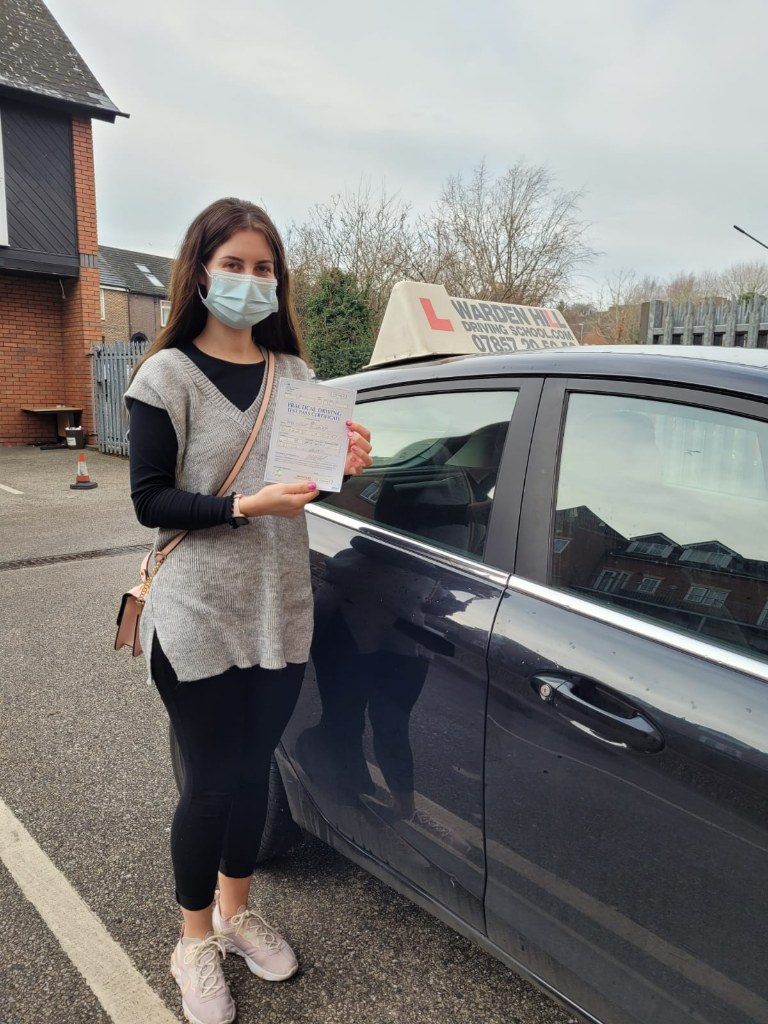
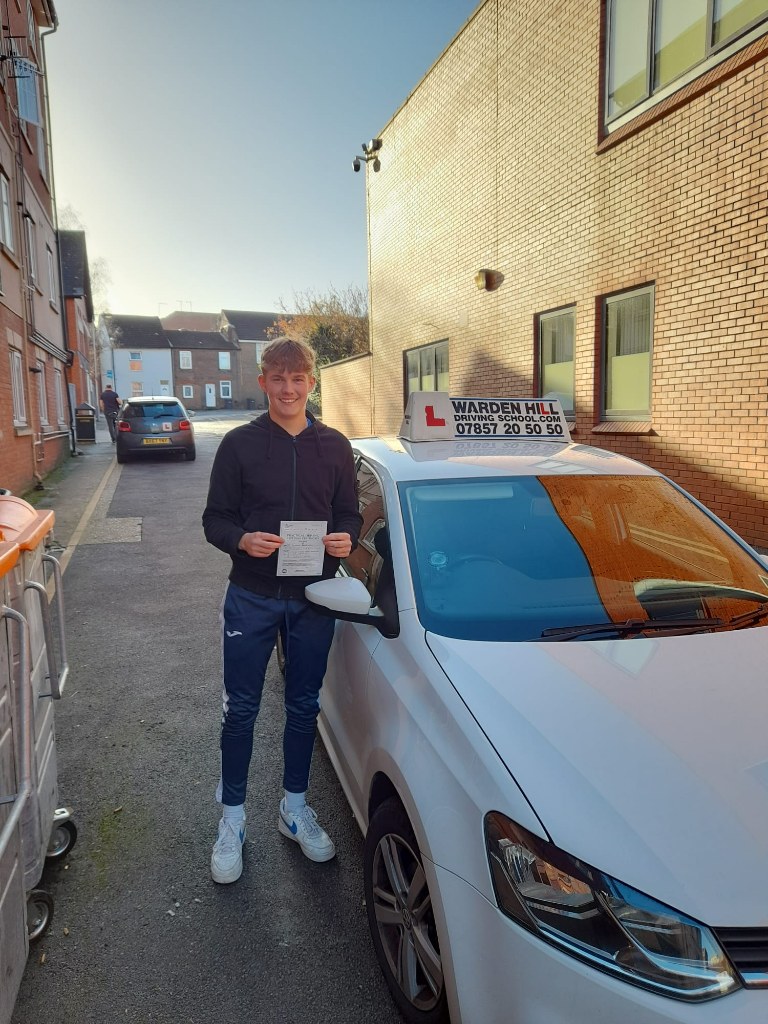
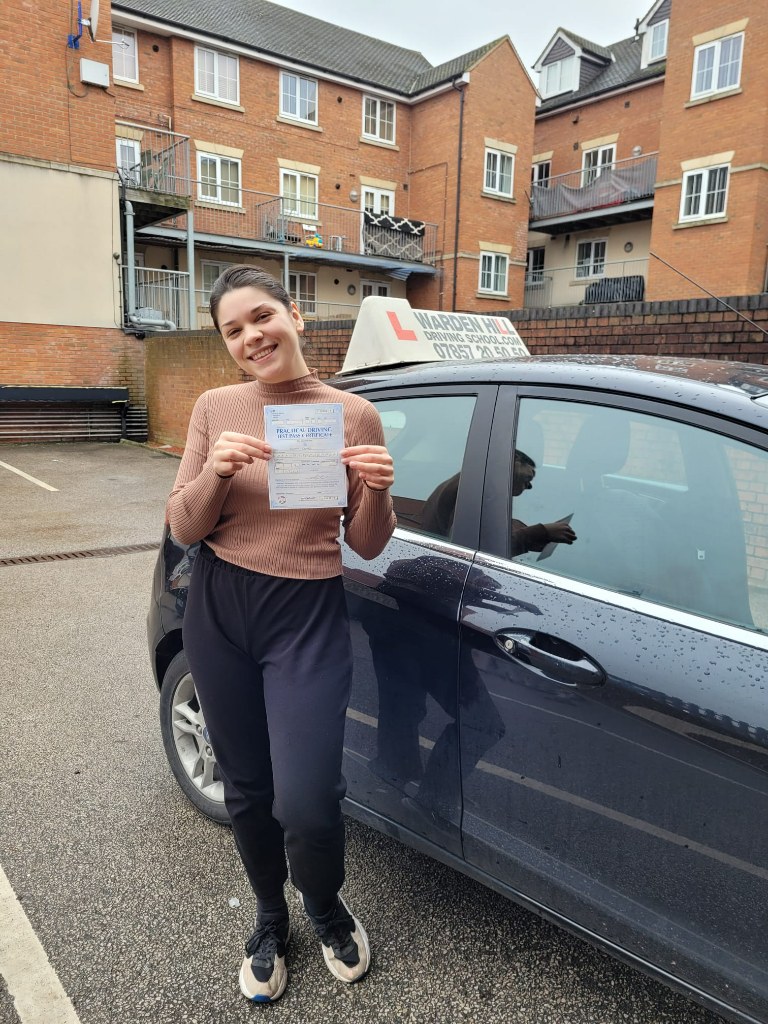
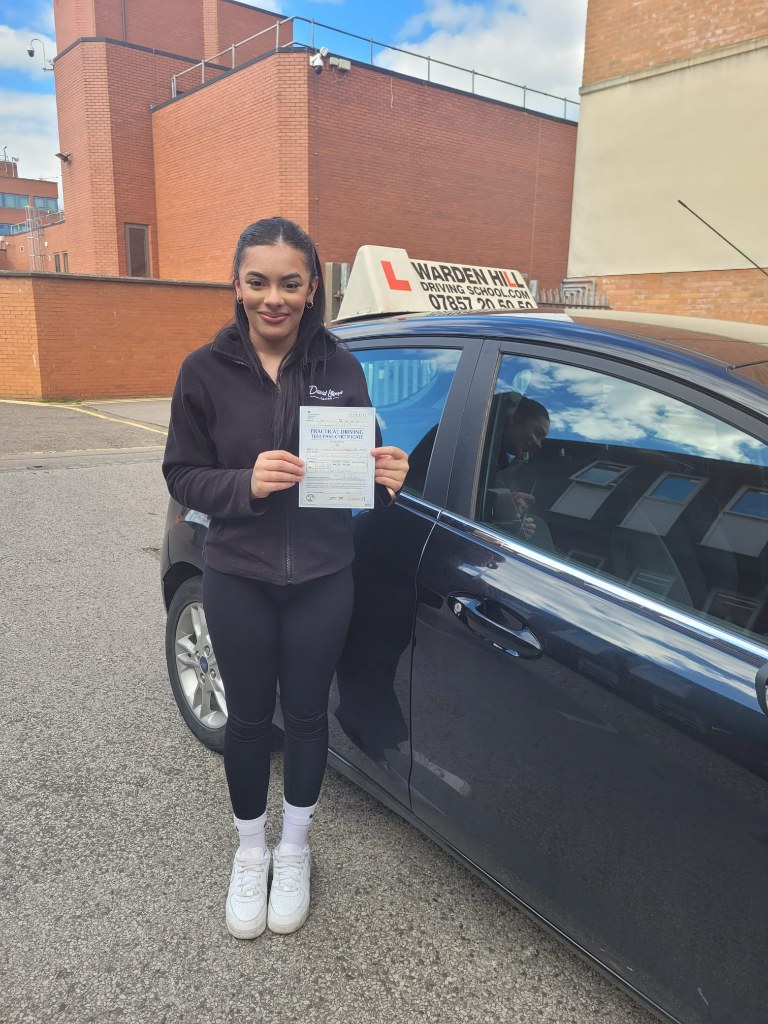
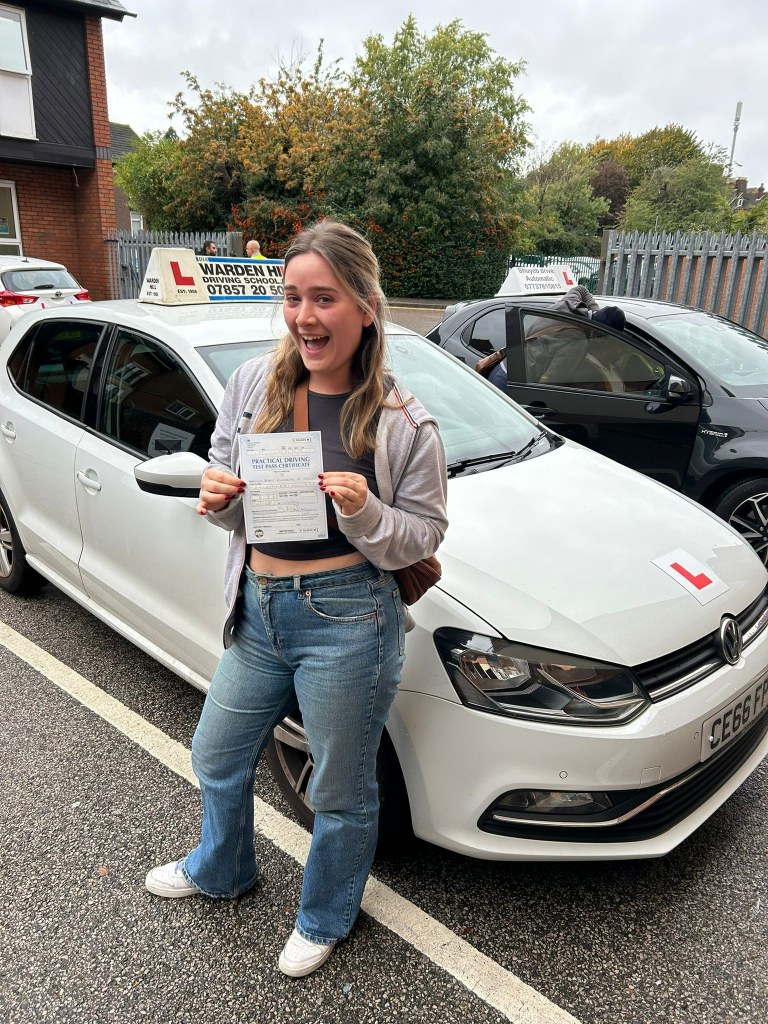
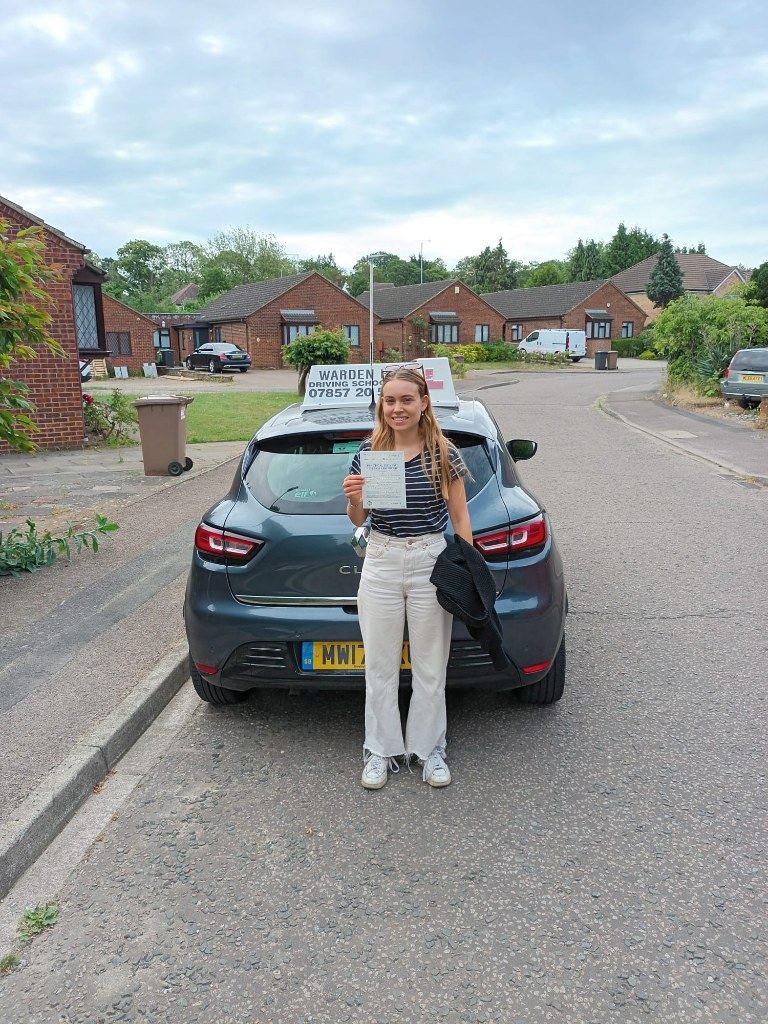
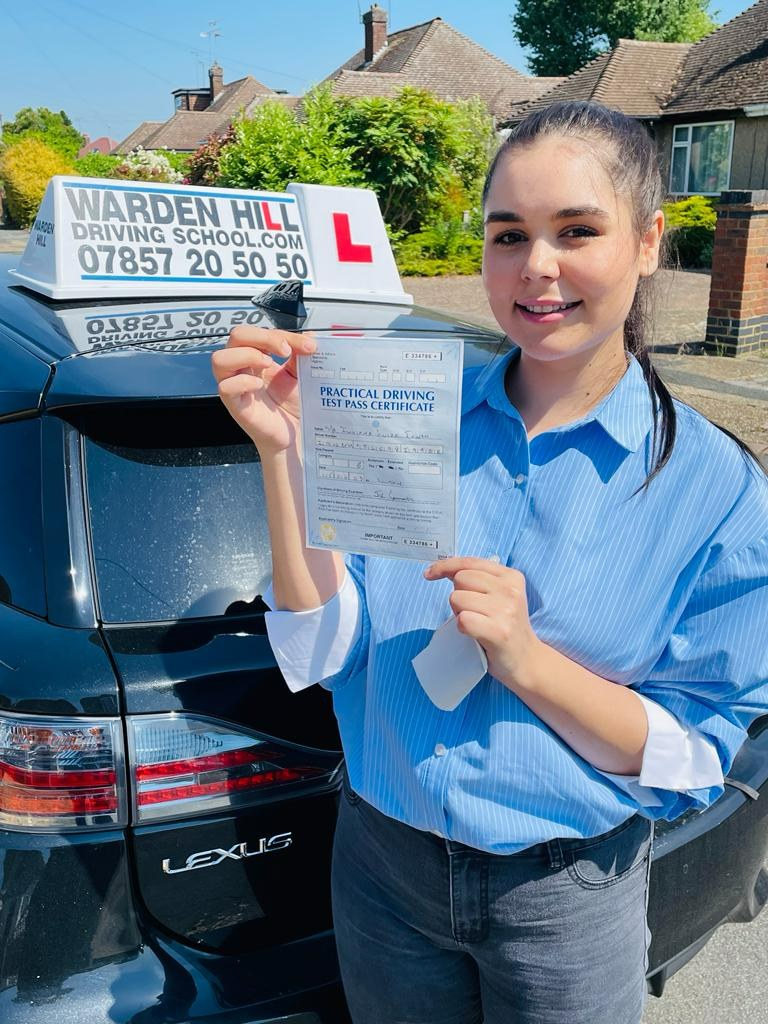
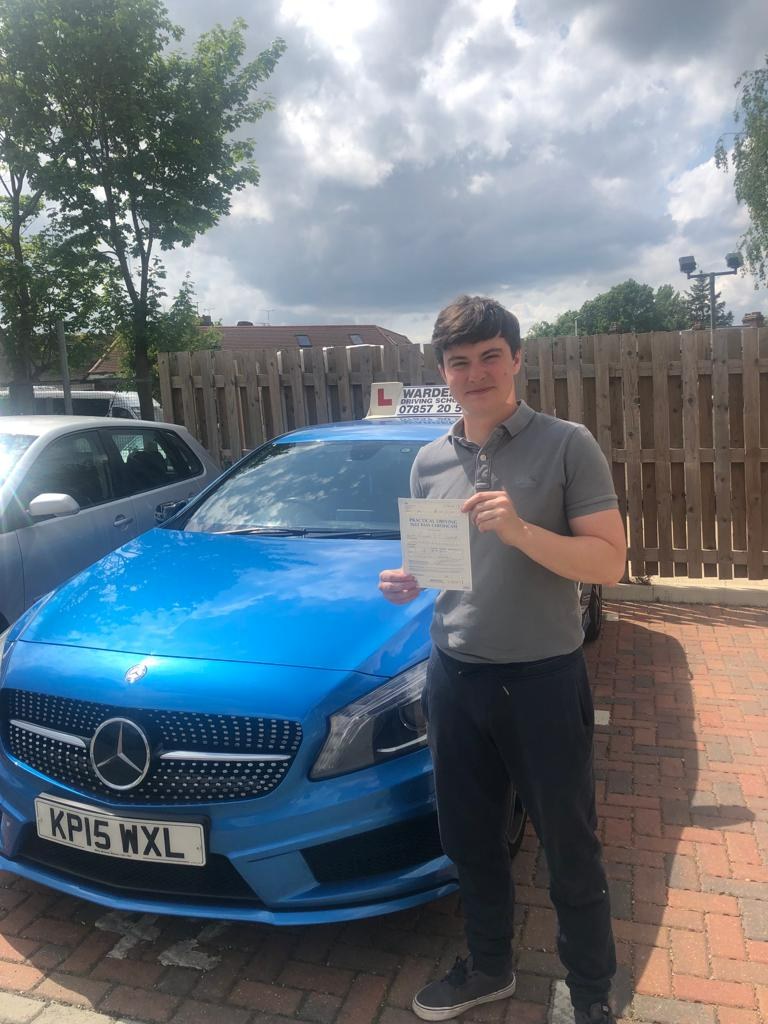
The best driving school in Luton is the one with a long, proven local track record, fully qualified instructors who teach you to drive safely for life — not just to pass — and clear, honest pricing with no surprises. In and around Luton, Warden Hill Driving School fits that description: established in 1986, we are the longest-established driving school in Luton, with local instructors covering Luton, Dunstable and Houghton Regis in both manual and automatic cars. But you should never take any school’s word for it — including ours. This guide walks you through exactly what to look for so you can choose with confidence.
Why choosing the right driving school matters
Learning to drive is a big investment of money and time. The DVSA recommends around 45 hours of professional lessons alongside roughly 22 hours of private practice before the average learner is test-ready, so you could be with your instructor for several months. A patient, well-matched instructor makes that journey faster, cheaper and far less stressful — while the wrong fit can mean wasted lessons and a knock to your confidence. It pays to choose carefully from the start.
What to look for in a Luton driving school
1. Experience and local longevity
A school that has operated locally for many years has weathered every kind of learner, route and test-centre change — and is still here because people keep recommending it. Longevity is one of the few signals you can verify independently. Warden Hill has been teaching Luton learners since 1986, which makes us the longest-established driving school in the town. Ask any school you’re considering how long they’ve been trading and whether they know your local roads and test routes well.
2. Instructor quality and continuity
Every car you learn in should be supervised by a DVSA-qualified instructor (an “ADI”, displaying a green badge) or, in some cases, a trainee under supervision (a pink badge) — always ask which. Just as important is continuity: staying with the same instructor lets them build a structured plan around your progress rather than starting from scratch each week. When you call a school, ask whether you’ll have a consistent instructor and what happens if they’re unavailable. Local instructors who know the area well are a genuine advantage. Warden Hill, for instance, has taught in the area since 1986, with a large team of DVSA-approved instructors who know Luton’s roads and test routes inside out.
3. Real pass support, not just test passes
A pass is the milestone — but the goal is a safe, confident driver for life. That’s the heart of Warden Hill’s ethos: we teach you to drive, not just to pass your test. Look for a school that builds genuine road skills, offers structured feedback, and supports you before, during and after your test. For new drivers who want to keep building confidence after passing, ask whether Pass Plus training is available — it covers motorways, rural roads and night driving that the standard test doesn’t.
4. Manual or automatic — and the freedom to choose
Decide early whether you want a manual or automatic licence. A manual licence lets you drive both; an automatic licence covers automatic cars only, but many learners find automatics quicker and less stressful to master. The best schools offer both so you’re not pushed down one route by what’s convenient for them. Warden Hill teaches automatic lessons as well as manual, and our beginner lessons are a good starting point if you’ve never been behind the wheel. If you’re short on time, an intensive driving course may suit you better than weekly lessons.
5. Areas covered and test centres
Choose a school that genuinely covers where you live and knows the test centres you’ll use. Luton learners typically test at the Britannia Estate centre off Leagrave Road (LU3 1RJ), with Dunstable’s centre on Brewers Hill Road (LU6 1AA) about ten minutes away — and DVSA test centres aren’t tied to any one instructor, so you have flexibility. Warden Hill covers Luton (including Stopsley, Leagrave, Limbury, Lewsey, Farley Hill, Wigmore and Round Green), plus Dunstable, Houghton Regis and the wider area — we also reach into Hertfordshire and North London.
6. Transparent, fair pricing
Good schools publish their prices and explain exactly what’s included — lesson length, any block-booking discounts, and whether the test fee is separate. Be wary of headline rates that seem too cheap to be sustainable, or vague “from” pricing with no detail. Hourly lessons in the Luton area typically run from around £35 to £45 depending on transmission and lesson type. You can see current rates and any offers on our pricing and special offers page rather than relying on a single quoted figure.
7. Reviews and reputation
Independent reviews are one of the most useful signals you have. Read recent Google and Trustpilot reviews, look for patterns (patience, punctuality, clear teaching) rather than one-off comments, and ask friends and family in Luton who they’d recommend. A school confident in its teaching will happily point you to its reviews. Warden Hill, for example, is rated 4.8 out of 5 from 452 Google reviews, with a further 38 recommendations on Facebook — you can read more about us.
A quick checklist before you book
- How long has the school operated locally?
- Are the instructors DVSA-qualified, and will I keep the same one?
- Do they teach manual and automatic?
- Do they cover my area and know my likely test centre?
- Is the pricing clear, with any discounts explained up front?
- What do recent independent reviews say?
Ready to start learning in Luton?
If you’d like to learn with the longest-established driving school in Luton — local instructors, manual and automatic lessons, and a focus on making you a safe driver for life — we’d love to help. Take a look at our current prices and offers, or get in touch to book your first lesson. You can also read our related guides on how many driving lessons you really need and choosing between manual and automatic lessons.